Book Review: Portraits of Decay
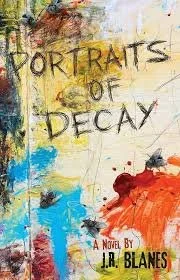
Portraits of Decay by J.R. Blanes, Ruadan Books, November 2025, ebook and paperback, 388 pages.
Reviewed by Susan Gaspar.
There are three central characters in J.R. Blane’s absorbing supernatural horror Portraits of Decay, but New Orleans is an undeniable fourth, lying firmly at the heart of the tale. The atmosphere is thick with the smells and sounds of the place, and pulses with its history, architecture, and intoxicating mix of cultures. The story begins in the genteel world of art galleries, cafes, and charming vintage apartments, but we don’t stay there long.
It’s New Orleans, so there is eventually mention of voodoo. But this is not your kitschy, tourist attraction, gift-shop brand of voodoo. This is the back-door, locals-only, swamp-born voodoo that visitors will never see.
The book is a backstage pass to the underbelly of New Orleans, and you may not be ready.
After a short and intriguing prologue, the novel is split into three parts. Tension builds from the moment we meet Jefferson, Gemma, and Neveah. Jefferson is a struggling artist with undeniable talent but dimmed dreams. Gemma is his uber-possessive, success-hungry girlfriend who will stop at nothing to win at fame, fortune, and love. And Neveah is Jefferson’s damaged but kind-hearted sidepiece-turned-soulmate who possesses more grit than she knows. It seems at first like a typical romantic triangle with jealousy, betrayal, and revenge swirling at the core. But as we learn the characters’ complex backstories and as events unfold, that triangle turns dangerously sharp.
Mystery and pain lurk in each person’s past, which we discover through disturbing flashbacks and chaotic life choices that go way beyond love-fueled impulsivity and launch firmly into unhinged-behavior territory. Along the way we meet a host of supporting characters who weave a colorful southern gothic tapestry. My favorites might be Isabel and Rolondo, the owners of The Voodoo Temple of Bondye. Unsettlingly volatile, they are also strangely likable and entirely entertaining. Their bickering lends spice to an already flavorful roux as they act as spiritual advisors, mediums, and eventually reluctant chauffeurs to a terrifying swamp witch.
Blanes deftly crafts his dialogue so that you hear the character’s distinct voices, complete with dialects and inflection. This tie to everyday humanity is a salve in later chapters where hallucinations, near-death experiences, and gore escalate. If you prefer your horror teeming with boils, blood, bone, and beyond, you will revel in parts two and three of this book.
Blanes is also skilled at flipping the reader’s loyalty, even when it seems obvious that there should be a common villain. Everyone in this story has a dark past loaded with buried secrets and shattered dreams, and I found myself vacillating between empathy, anxiety, frustration, and loathing as choices were made or altogether avoided. The emotional investment of the reader is testament to the effectiveness of each character’s story arc.
NOLA and its denizens may be center stage here, but themes around art drive the action: Art as a calling; Art as inspiration; Art as therapy; Art as a commodity; Art as life support. In the end, we see that as fragile and fleeting as art is, humanity is even more so. Both can be so easily destroyed—in a flash or at a snail’s pace—at the hands of someone with ill intent.
If you are captivated by psychological angst, sexual temptation, supernatural terror, body-borne horror, and the agonizing unraveling of human will, you will be held rapt by Portraits of Decay. Approach this book with a strong stomach and a firm grip on reality—you’ll need them both.