Book Review: After the End
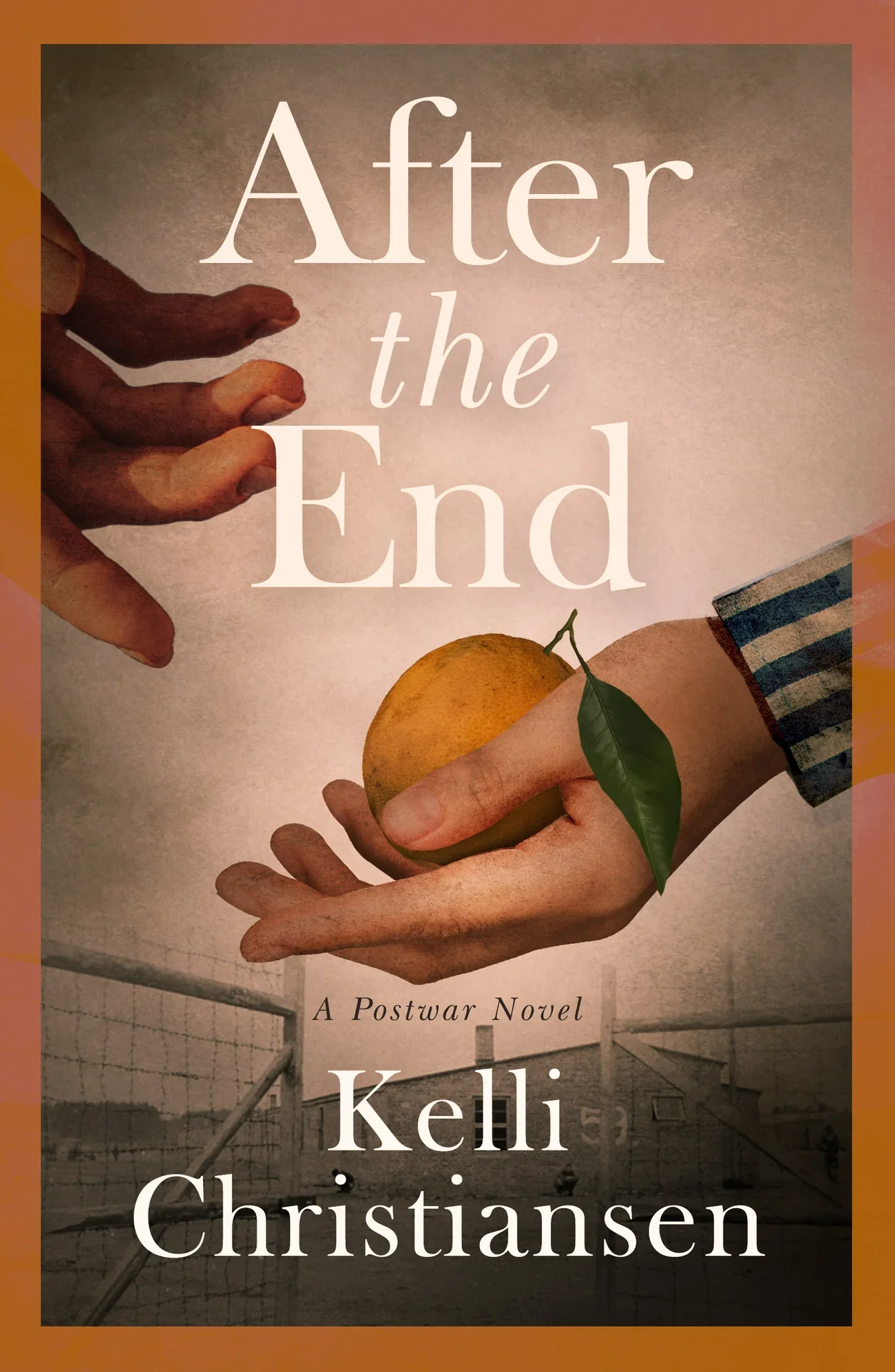
After the End, Kelli Christiansen, Sibylline Press, October 2026, print, 411 pages
Reviewed by Katherine Tozer
This gripping novel begins in Germany after the end of World War II. The young heroine, Sarah Morgenstern, has survived the Holocaust, but the bar of soap she gets when the concentration camp is liberated is pretty much the only thing she now owns. She’s facing the rest of her life with very little left but her life. Where does one even begin?
Like most survivors, Sarah is in poor health with no documents, means of transportation, place to go, or people to contact. She has language skills and an open, friendly disposition, despite all she’s been through, but she cannot even think about the future until she knows what has become of her family.
That challenge is nearly insurmountable in post-war Germany, which is being run by a tangled web of foreign bureaucracies that are unprepared for a humanitarian crisis of this magnitude.
Sarah witnessed her sister’s death on a death march toward the end of the war, but she was separated from her parents during earlier forced migrations. She knows only their names, their pre-war occupations and addresses, and the last place she saw them. It’s not much to go on. Are they alive? Are they searching for her? Will she ever see them again? Where are they?
To find out, Sarah starts by visiting the displaced persons office at Feldafing and stumbles into a job translating for them. It’s there that she slowly makes progress tracking down her parents, and builds new relationships along the way.
Sarah’s character is so endearing that this devastating story is heartwarming at the core. She forms strong bonds with the women she rooms with for a time in the post-war camp. They share their hopes and burdens about the future, including migration, repatriation, education, and employment. They learn to respect and support each other despite their differences. In the displaced persons office, Sarah’s community grows to include the US soldiers staffing the place and their colleagues at offices across the war-torn country. She has shoulders to lean on as she finds her way beyond the horrors of war, and even finds space for romance, against the odds.
After the End does what historical fiction does best: it makes the past visceral. As just one example, before reading this novel, you could have known that some unrepentant Nazi officers remained in place after the war, but you might have never felt the import of that fact. Christiansen will make you feel it. She brings history to life through scenes with high stakes and potent emotions.
The fast pace winds down toward the end as Sarah’s found family rallies around her and the bold new life she undertakes. It’s easy to root for Sarah Morganstern as she searches for family, home, and a future of her own making in the face of so many obstacles.